
Introduction
Police Station Agent is a private defence website operated by Robert Cashman — NOT Kent Police. Legal services are delivered through Tuckers Solicitors LLP (SRA ID: 127795).
Drug-related allegations—including possession, supply, production or importation of controlled drugs—are often investigated at the police station. At this stage, the focus is on how the allegation is put, how possession and intent may be assessed, and how the interview is conducted. This page explains the investigation context and the role of legal advice. It does not discuss outcomes; it describes the process at the police station stage.
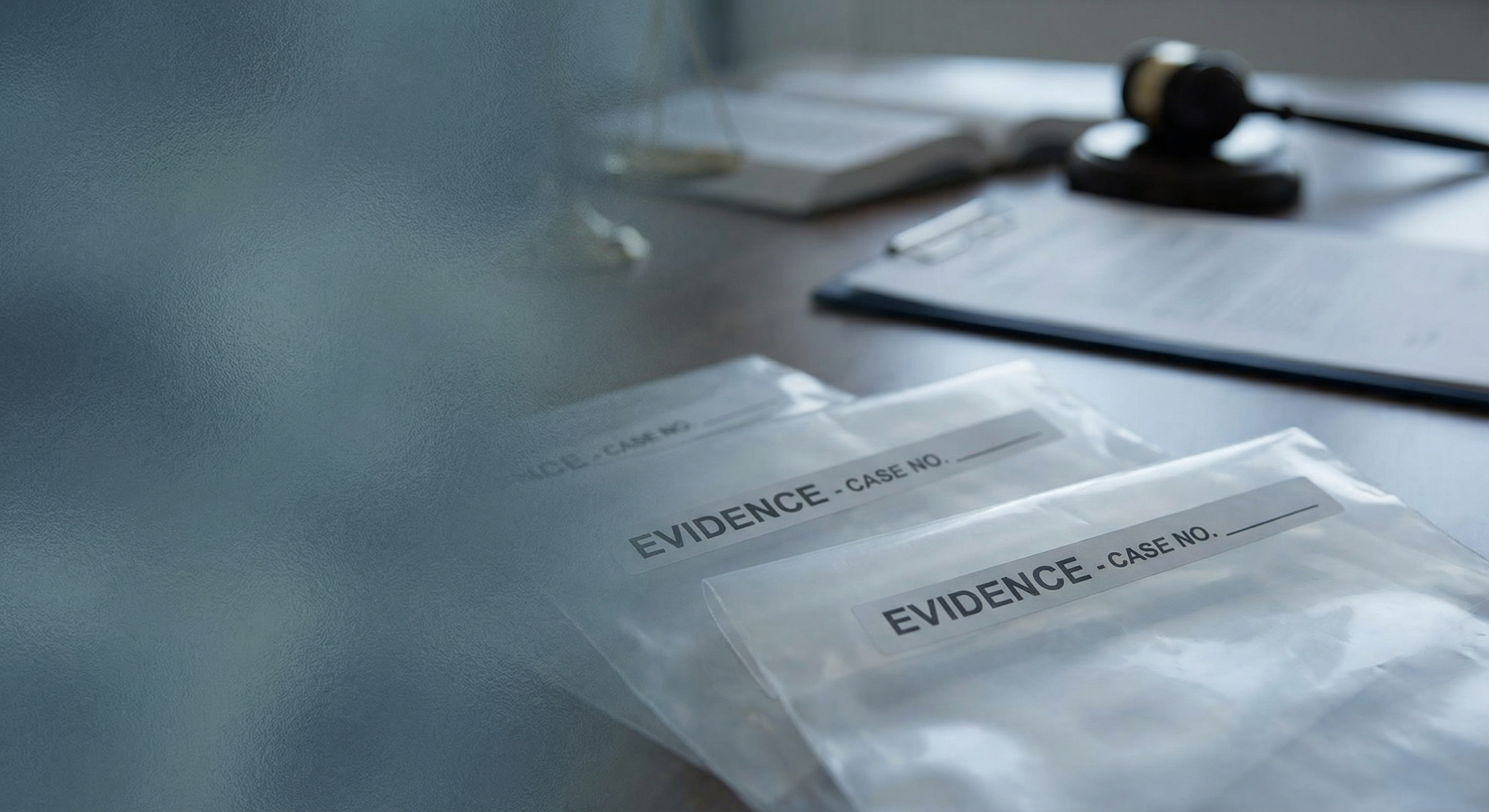
Possession and Intent at the Police Station Stage
Drug allegations can involve assessments of possession, intent, and surrounding circumstances. Possession may be alleged where drugs were found on the suspect, in their property, or in a place they control. Intent—for example, intent to supply—may be inferred from quantity, packaging, equipment, or other evidence. The police will put the allegation and the supporting evidence to the suspect in a formal interview under caution.
The suspect may have been arrested following a search, at an address, or in connection with other evidence. They may alternatively be invited to attend a voluntary interview. Either way, the interview is recorded and forms part of the investigation. The police use it to obtain the suspect's account and to test it against the evidence they have.
Understanding the Nature of the Investigation
Before interview, the police should provide disclosure so that legal advice can be given. That typically includes the allegation (e.g. possession, supply), the basis for it (e.g. what was found, where, and in what circumstances), and any forensic or other evidence. A solicitor can review this and advise the suspect on what the investigation involves and how the allegation may be put.
Legal advice assists in understanding the nature of the investigation before interview. It does not tell the suspect what to say. It explains the process, the significance of possession and intent in the allegation, and the options in interview. Drug allegations can involve assessments of possession, intent, and surrounding circumstances; having advice helps individuals engage with the process in an informed way. For a summary of your rights in custody, see our dedicated page.
Evidence Commonly Referred To
At the police station stage, evidence in drug cases often includes the circumstances of the find (search, location, packaging), forensic analysis of substances, and any witness or officer statements. The police may refer to items seized, photographs, or other material during the interview. Understanding what they say they have, and how they may use it, is part of preparation.
Legal advice can help the suspect understand how possession and intent may be argued, what the disclosure shows, and how to approach the interview. That can include discussing whether to answer questions, give a prepared statement, or respond with no comment in certain circumstances.
Interview Under Caution
The interview is the main opportunity at the police station for the suspect to respond to the allegation. Officers will put the allegation and the evidence to the suspect and ask questions. Those questions may focus on knowledge, control, intention, and the suspect's explanation for the circumstances.
Legal advice before and during the interview helps ensure the suspect understands their rights and the process. Drug allegations can involve assessments of possession, intent, and surrounding circumstances; legal advice assists in understanding the nature of the investigation before interview.
Understanding Allegation Context
Drug allegations can involve assessments of possession, intent, and surrounding circumstances.
Legal advice assists in understanding the nature of the investigation before interview.
For an overview of offence types at this stage, see our page on offences dealt with at the police station stage.
Conclusion
Drug-related allegations at the police station are investigated through disclosure and a formal interview under caution. Possession, intent, and circumstances are often central. Legal advice helps individuals understand the allegation and the process before they answer questions. For what may happen next, see our page on outcomes after a police interview. For a broader view, see our overview of types of offences commonly dealt with at the police station stage.
Sources
- GOV.UK — PACE Code C 2023 (accessible text)
- PACE 1984, section 58 — right to legal advice at the police station
- PACE 1984, section 76 — exclusion of confessions
- SRA register — Tuckers Solicitors LLP (127795)
General information only — not legal advice about any individual case. While every care is taken to keep information accurate, errors may occur and the law changes. Do not rely on this page instead of advice from a qualified solicitor. If you believe something is incorrect, contact us to report a content error. Statutory references and Code C paragraphs are summarised for readability; refer to the official published versions linked above.